
Argentine Patagonia is not one destination but four or five very different ones stitched together by huge distances: glaciers around El Calafate, granite peaks around El Chaltén, the Lake District around Bariloche, the end of the world at Ushuaia, and the Atlantic coast around Puerto Madryn. Search for "Patagonia Argentina" and most guides describe it as though it were a single trip. It isn't. Which parts you see, and how long you stay in each, matters more than the region as a whole.
This guide sorts out what Argentine Patagonia is actually made of, when to go, and how many days each version of the trip really needs, so you can build a route instead of guessing at one.
What Argentine Patagonia actually covers
Argentine Patagonia runs from the Lake District south to Tierra del Fuego, roughly the bottom third of the country. Inside that stretch, five areas do almost all the work:
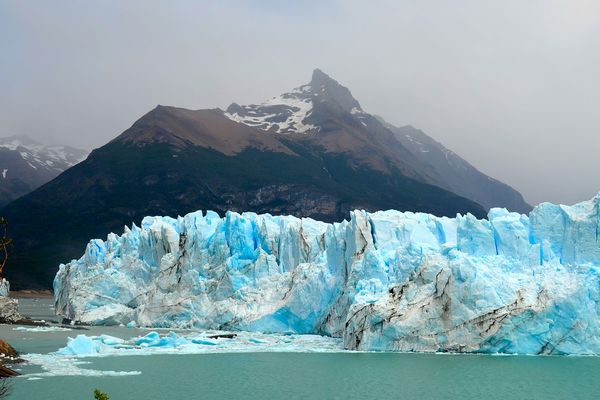
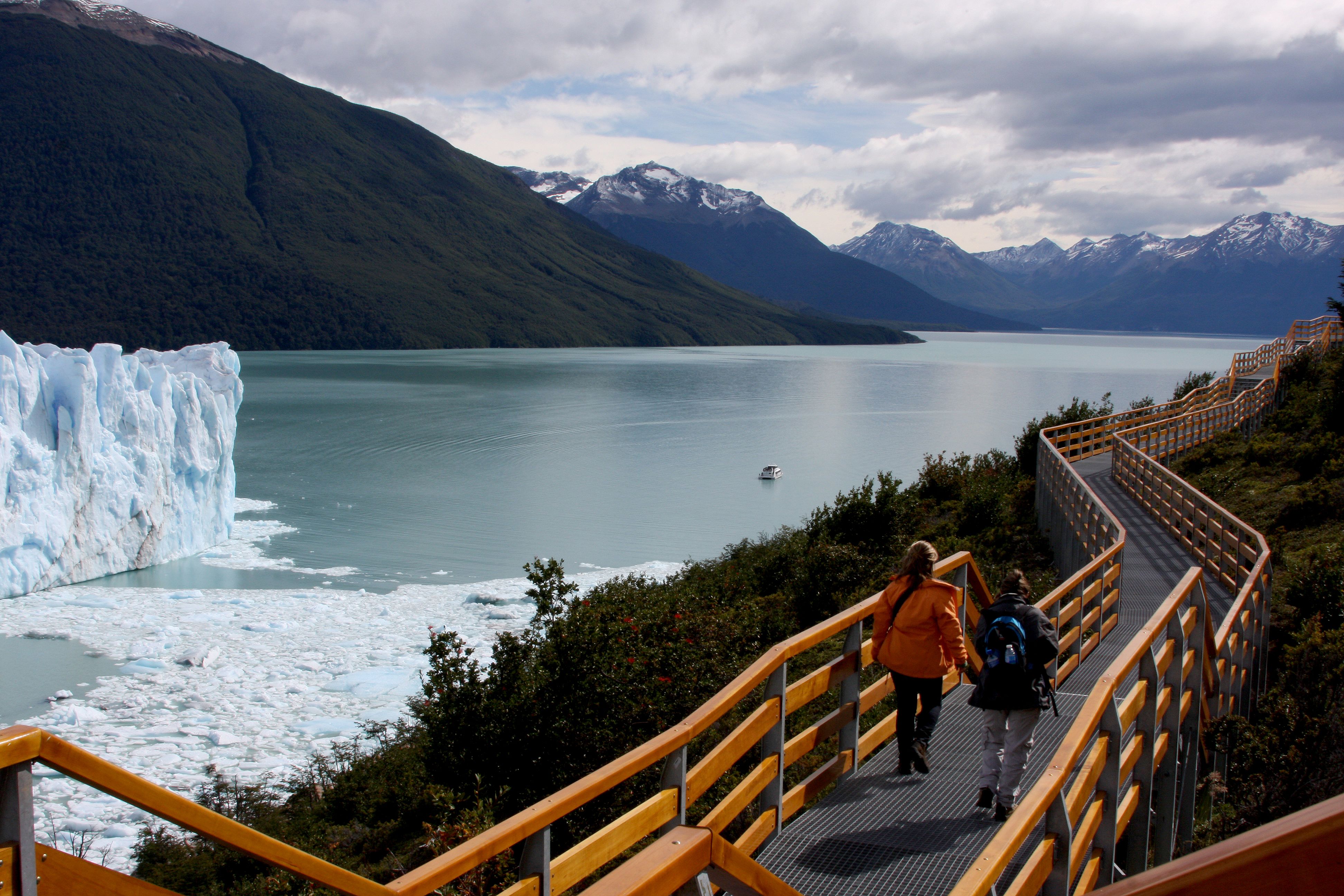
El Calafate and the glaciers, anchored by Glaciar Perito Moreno.
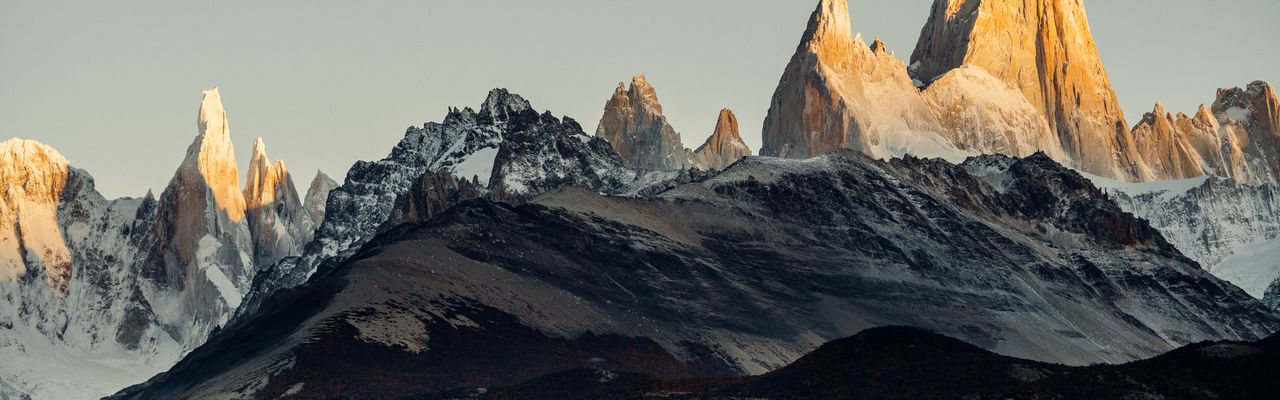
El Chaltén, Argentina's trekking capital, under Fitz Roy and Cerro Torre.
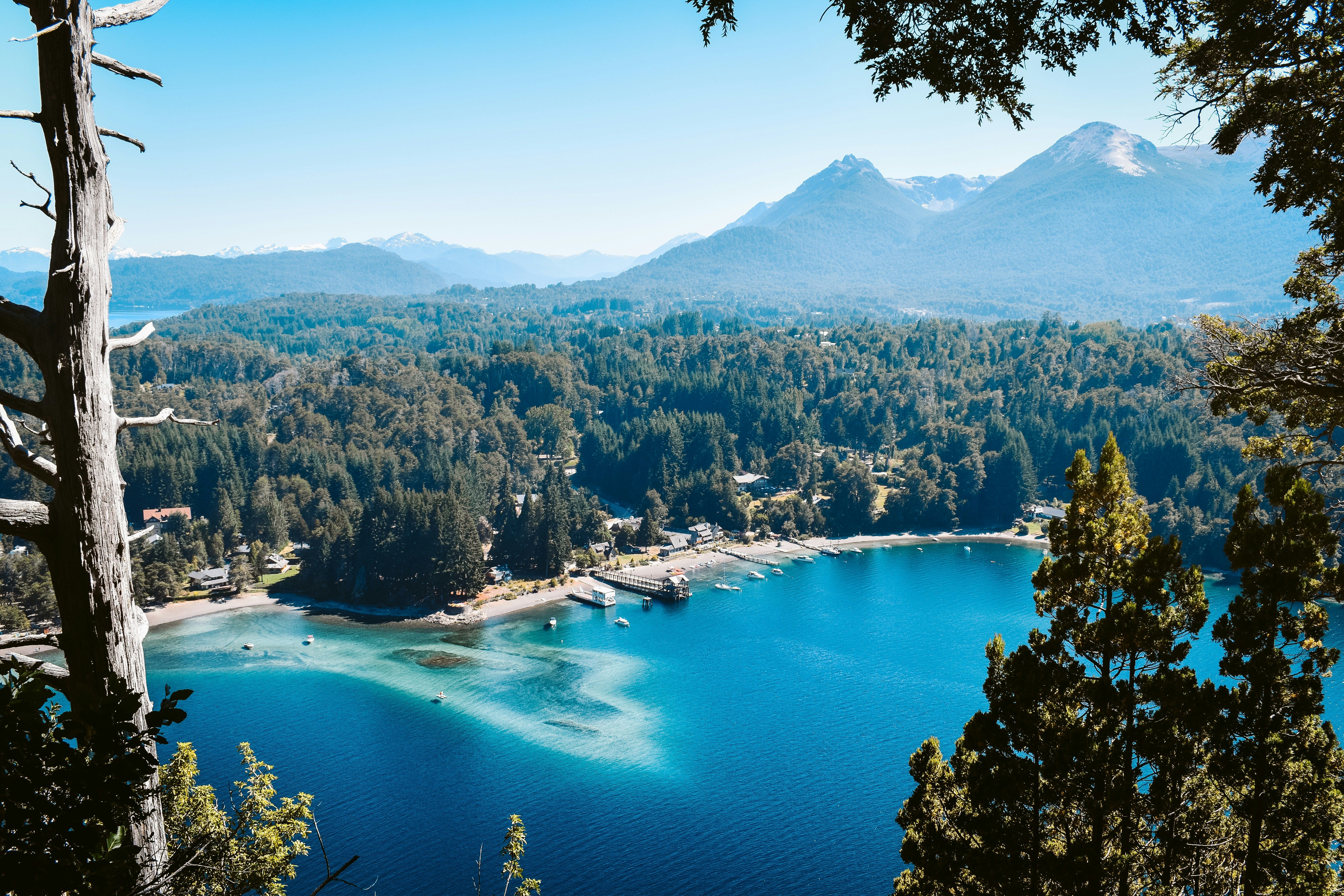
Bariloche and the Lake District, forested and alpine, with skiing in winter.
Ushuaia and Tierra del Fuego, the southernmost city in the world and the main gateway to Antarctica.
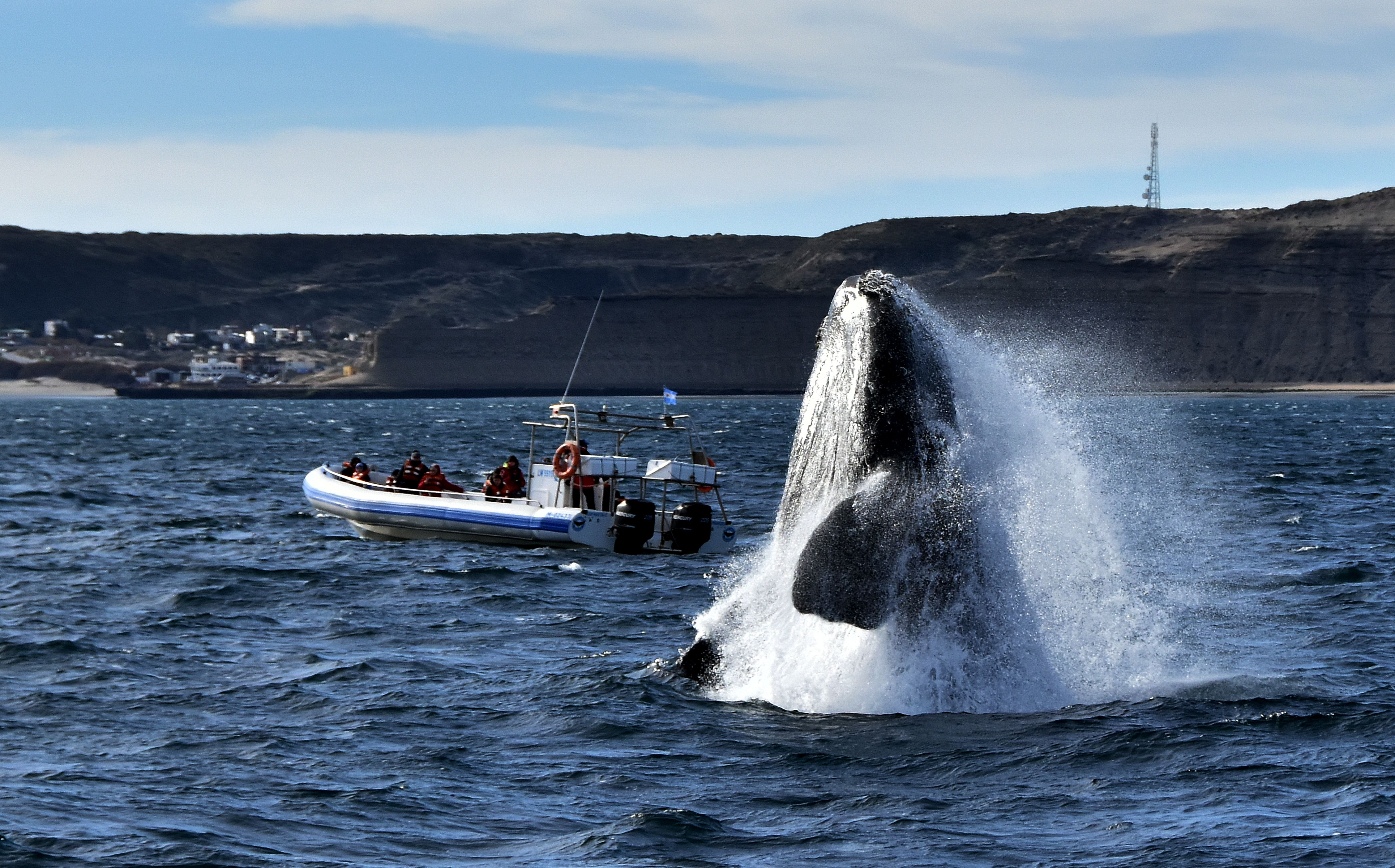
Puerto Madryn and Península Valdés, on the Atlantic coast: whales, penguins and sea lions rather than mountains.
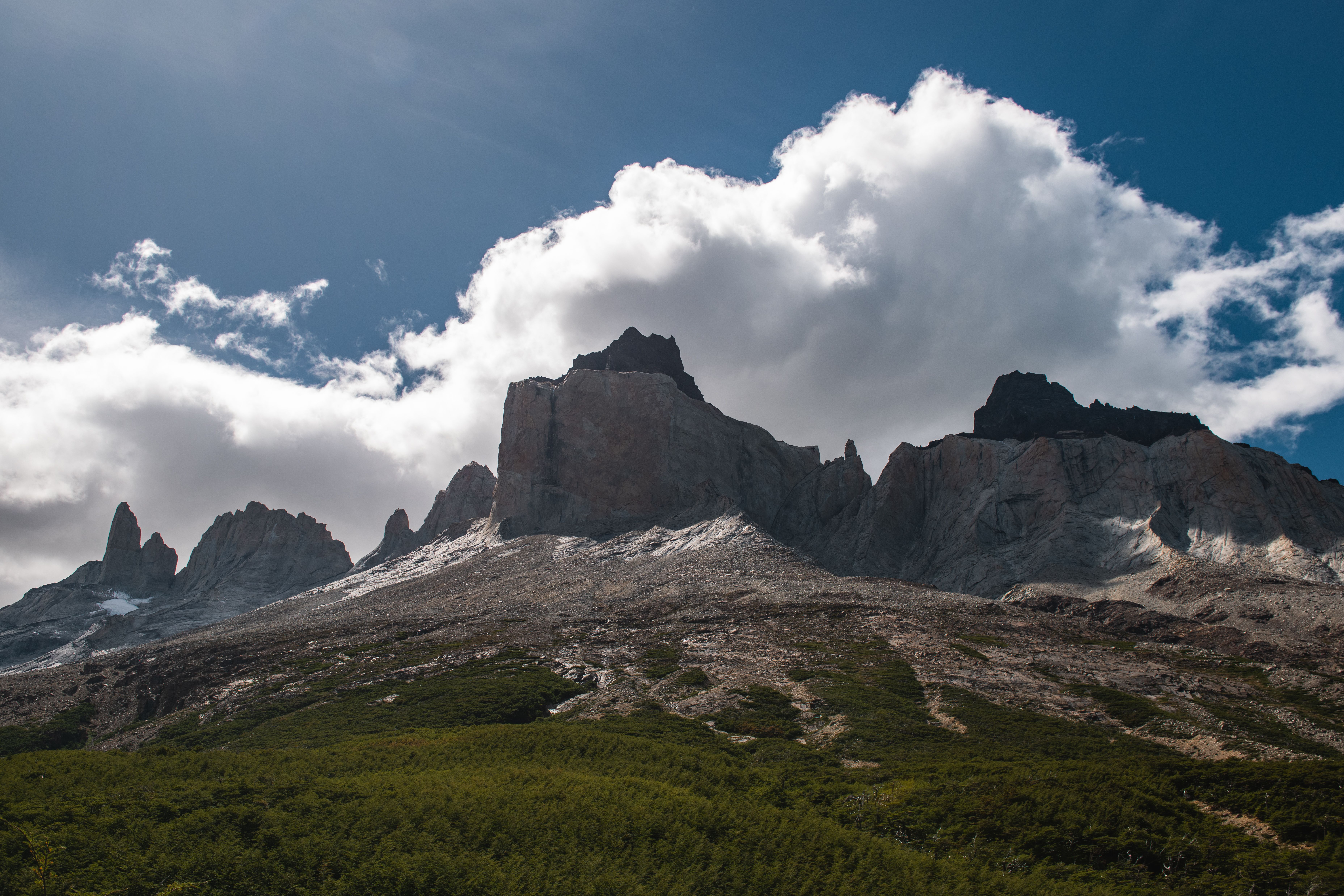
Across the border, Torres del Paine sits in Chilean Patagonia. It's a common add-on to an Argentine itinerary (usually from El Calafate or Puerto Natales) but it's a different country's park, with its own entry fees and logistics.
When to go
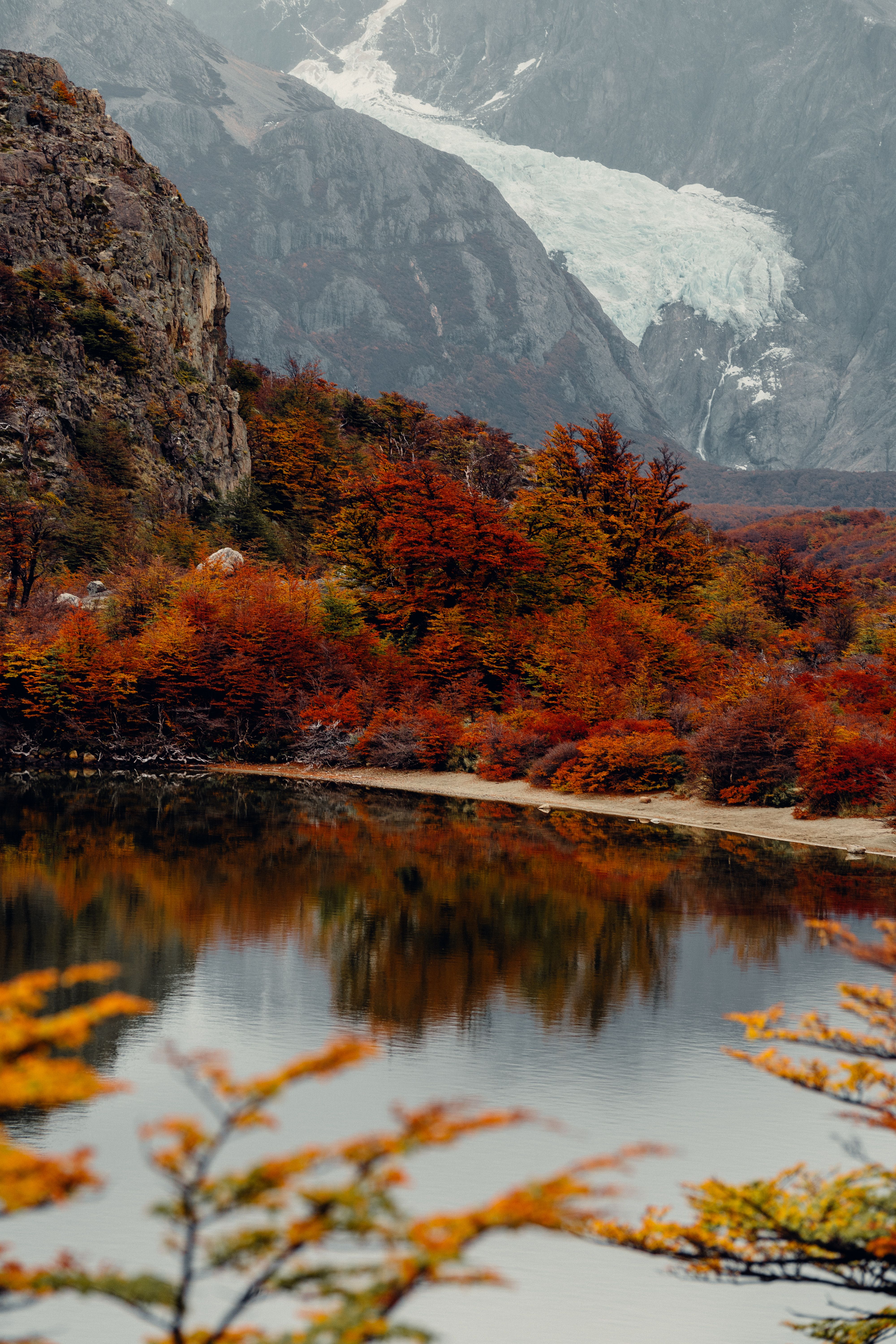
Southern Patagonia (El Calafate, El Chaltén, Ushuaia, Torres del Paine in Chile) operates with a main window: from October to April, Austral spring and summer, with the optimal point between mid-October and mid-April due to light and trail conditions. Both Bariloche and the lake region, as well as Ushuaia at the southern tip of the country, share this window and add a second one: from July to September, for skiing.
Within that main window, February usually has the greatest availability of excursions throughout the region, and the mid-season months (October, April) trade some climate certainty for fewer crowds and better prices.
As for Atlantic Patagonia (Puerto Madryn and Valdés Peninsula), travel dates will be highly subject to the wildlife calendar: broadly from July to November to see southern right whales, October to April to see Magellanic penguins, and two windows to, with a bit of luck, see orcas: October and November, and between March and May.
And here's a tip: the most common mistake travelers make is planning according to their own hemisphere's calendar. December is full summer here, not winter, and July is full winter, not summer. It sounds obvious written like this, but it's the mistake we see most often in travelers from the Northern Hemisphere planning their first itinerary.
How many days do you really need
In our 65 active itineraries, the average trip lasts 9 days and covers between 2 and 5 destinations, not all of Patagonia at once.
As an approximate guide per region we can mention:
El Calafate, 2 to 3 days: the glacier, some extensive navigation on Lake Argentino, and El Chaltén as an excursion if you have a fourth day.
El Chaltén, 3 to 4 days if trekking is the reason for the visit, not a passing stop.
Bariloche and the Lake District, 3 to 4 days, more in winter with skiing days.
Ushuaia, 3 days for the essentials, a fourth for skiing or a longer excursion.
Torres del Paine, at least 3 to 4 days if you're serious about trekking, not just passing through.
7 to 10 days: a single region
With 7 to 10 days, it's better to stay in a single region instead of spreading out your time. The simplest combination is Buenos Aires plus El Calafate: for example, a 5-day Calafate and Perito Moreno Glacier Getaway from USD 1,700, adding 2 or 3 days in Buenos Aires at the beginning or end. It works well for those who want to see the glacier without committing a whole week of vacation to the logistics of internal flights.
11 to 16 days: the classic multi-destination trip
This is the range where most of our trips fall. An itinerary like Essential Patagonia, 11 days from USD 2,050, includes Buenos Aires, El Calafate and Ushuaia without rushing any of them. At the longer end of this range, Buenos Aires, Ushuaia, El Calafate, Bariloche and Iguazu, 16 days from USD 4,100, adds Bariloche and Iguazu in exchange for fewer free days at each stop.
18 days or more: the long tour
Adding Bariloche, El Chaltén, and Torres del Paine to the same trip only works well with 18 days or more, and even then it's better to choose between El Chaltén and Torres del Paine instead of both, unless one of the objectives of your trip is trekking: they are trekking destinations that, on a trip with somewhat tight days, will compete for the same days. If the trip already lasts 3 weeks or more, then it's enough to visit both destinations.
A realistic first trip to Argentinian Patagonia combines two of these regions with Buenos Aires at the ends: 10 to 14 days are enough for, for example, Buenos Aires, El Calafate, and Ushuaia without feeling rushed. Trying to add Bariloche, El Chaltén, and Torres del Paine to the same two-week trip is the most common excess we see. Argentina is large enough that a 15-day itinerary simply cannot cover everything. One of our own advisors, who has been covering the region for years, still says it took him entire seasons to get to know it well. Choose one version of Patagonia instead of all of them together.
Argentine Patagonia or Chilean Patagonia: how they complement each other
The border between Argentina and Chile crosses Patagonia without regard for the landscape, so the question is not so much which Patagonia to choose but how much to cross. The Argentine side concentrates the glaciers accessible by land or navigating Lake Argentino, with Perito Moreno, Spegazzini, or Upsala Glaciers as the most famous. Also trekking with all levels of difficulty, from beginner to expert, in El Chaltén and the end of the world and gateway to Antarctica in Ushuaia. The Chilean side adds the fantastic Torres del Paine National Park, with its famous W Circuit or for the more adventurous the lesser-known O Circuit, and further north the Carretera Austral, a route of fjords and rainforest that very few first-trip itineraries get to touch.
Crossing the border is not free in terms of time or process: each park charges its own entrance fee (on the Argentine side, between USD 25 and 40 depending on the park), and moving from El Calafate to Torres del Paine is a 5-hour journey, or a full day by bus if it's a round trip visit within the day. That's why most first trips choose one side and add at most an excursion to the other, instead of splitting the itinerary equally.
If Torres del Paine or the Carretera Austral truly interest you and are not just a checkbox to tick, it's worth dedicating your own time to them instead of adding them as an extra to a trip centered on Argentina.
How to get there and get around
Most trips to Argentine Patagonia start with a flight from Buenos Aires: about 3h 30 min to El Calafate or Ushuaia, and about 2h 30min to Bariloche. There's no shortcut by road or train, distances are simply too great, so it's advisable to budget internal flights as a real item: between USD 500 and 800 for a three-destination circuit, USD 1,000 to 1,400 for five.
Once in each region, distances are also great by car. From El Calafate to El Chaltén, it's 3 hours each way (it's better to stay overnight instead of going back and forth in a day), and from El Calafate to Torres del Paine is a long day: buses depart around 05:00 and return around 21:00, for just about 5 hours actual hours inside the park. If Torres del Paine is a priority and not an add-on, it's better to stay a few nights inside or near the park instead of a single long day trip from Argentina.
A well-planned multi-destination tour, such as Buenos Aires, Ushuaia, El Calafate, Bariloche and Iguazu, links these flights and transfers so that the boring part is the logistics, not the trip. And for those with a few extra days and a bit more budget, this comprehensive trip that tours the Parks, Glaciers and Fjords of Austral Patagonia including an expedition cruise, is a must-do.
Three ways to plan your trip
There isn't one single correct itinerary for Argentine Patagonia, but most trips fall into one of three forms:
The classic multi-destination. Buenos Aires plus two or three Patagonian stops (normally El Calafate and Ushuaia, sometimes Bariloche), often with Iguazu at the ends. This is what most of our travelers book, from around USD 2,050 to 4,100 per person for 11 to 16 days.
The trekking-focused trip. El Chaltén and Torres del Paine as the center of the trip, not just a passing stop, organized around multi-day hikes. They start around USD 2,450 and widely exceed USD 6,900 with guided treks and premium accommodations.
The short getaway. A single region, generally El Calafate and the glaciers, in 5 days or less, from around USD 1,000 to 1,700. It works when Patagonia is a getaway within another longer trip through Argentina, not the main reason for the trip.
What can really complicate a multi-destination trip through Patagonia is synchronization: internal flights, transfers, and excursions, combined so that the trip flows smoothly and makes the most of the days in each destination. This is, to a large extent, what a good travel agency resolves, not the list of destinations itself.
What to bring, and who this trip is not for
Southern Patagonia works with a three-layer system: a breathable thermal base layer, a mid-layer (fleece or light down), and a waterproof and windproof outer layer, the latter being essential. Add waterproof footwear, ideally with a Gore-Tex type membrane, and that you have already worn previously, a warm hat, gloves, and UV filter lenses. The wind here is constant, especially during the austral summer, and the sun is strong even with cold air.
And to be honest: Patagonia is not a relaxing trip like a beach vacation. Distances are real, the weather changes without warning, and even a well-planned itinerary needs flexibility. If you're looking for guaranteed sunshine and a fixed schedule, this is not the region for that. If you're drawn to immensity, unique weather, and landscapes that still seem pristine, few places in the world compare.
Frequently asked questions
“After years travelling the world — and especially discovering the richness of Argentina — I came to specialise in designing tailor-made trips. I believe real excellence lies in meticulous planning and the peace of mind of knowing everything has been thought through.”